
- 1. Introduction to Dry Eye and Blepharitis
1. Introduction to Dry Eye and Blepharitis
In a world where screen time dominates our daily lives, many people find themselves battling the discomfort of dry eyes and blepharitis. These conditions can feel like minor annoyances at first, but they can quickly escalate into significant issues that affect your everyday comfort and vision. You might find yourself rubbing your eyes or struggling to focus, wondering why your eyes seem persistently gritty or watery. It turns out you’re not alone millions of individuals face these challenges, often without realizing the connection between dry eyes and blepharitis. By understanding their symptoms, causes, and treatment options, you can pave the way for a more comfortable visual experience and improve your overall eye health. So let’s dive in and explore what these conditions are all about!
2. What is Dry Eye and Blepharitis?
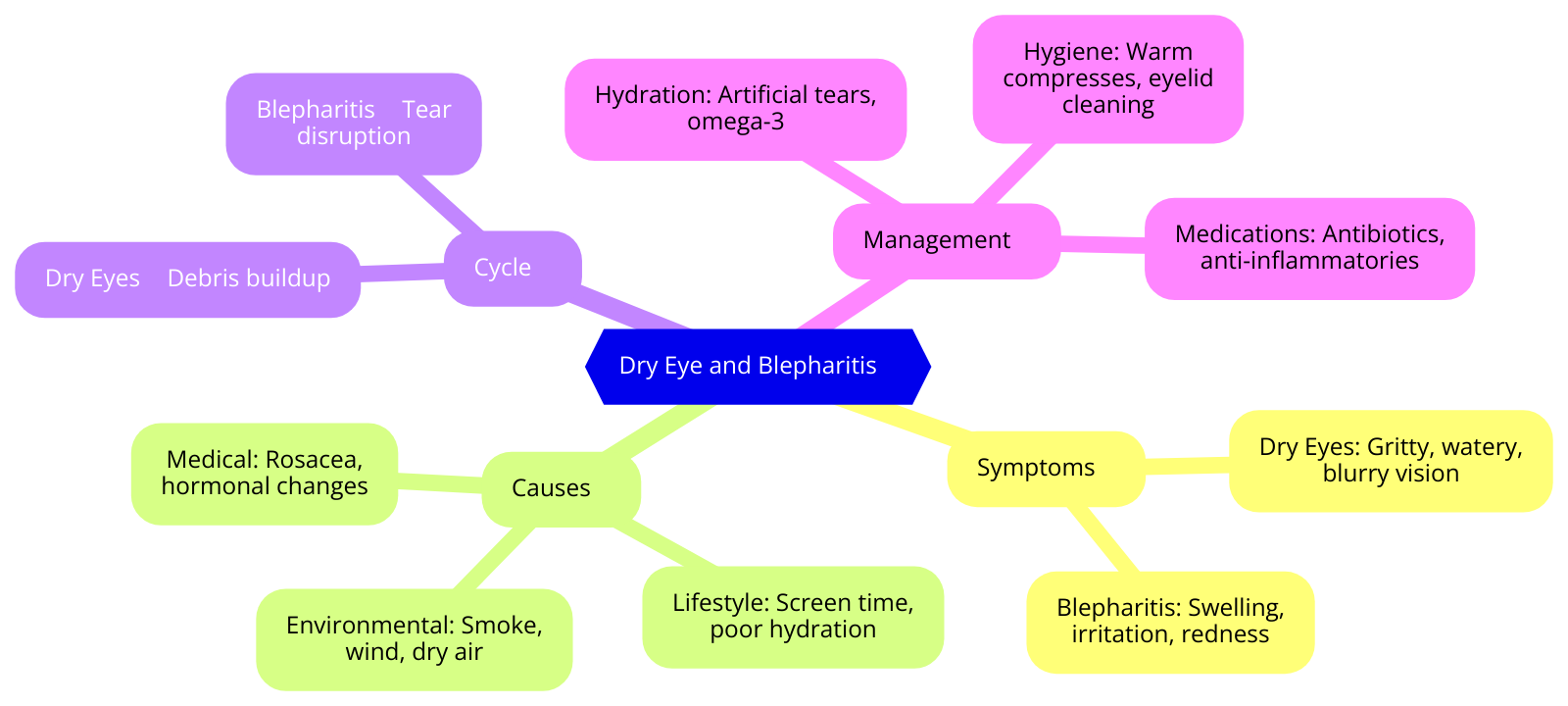
The connection between dry eyes and blepharitis is more intertwined than you might think. Dry eyes can actually exacerbate blepharitis symptoms. Because of the lack of sufficient tears to cleanse the eyelids, there can be an accumulation of bacteria and debris along the eyelash line, leading to a higher likelihood of developing blepharitis. In turn, when blepharitis causes inflammation around the eyes, it can disrupt tear production further, perpetuating the cycle of discomfort.
Some may argue that treating one condition automatically alleviates the other. However, while improving dry eye symptoms through artificial tears or medications may provide temporary relief for blepharitis-related discomfort, addressing the root cause of each condition is crucial for long-term management. Both conditions have distinct characteristics and require tailored treatments for effective control. It’s essential to recognize that a holistic approach targeting both dry eyes and blepharitis is key to achieving optimal eye health.
Think of your eyes as delicate plants in need of regular watering and protection from external elements. Dry eyes represent a lack of nourishment for these plants, leaving them vulnerable and wilted. In contrast, blepharitis acts like pesky weeds invading the soil around these delicate plants, hindering their growth and overall health. To ensure the vitality of your “eye garden,” a balanced combination of hydration (for dry eyes) and weed removal (for blepharitis) is essential to promote clear vision and comfort.
This symbiotic relationship between dry eyes and blepharitis underscores the importance of understanding how these conditions are intertwined in order to effectively manage symptoms and improve overall eye health. By recognizing their relationship and implementing targeted treatment strategies, individuals can find relief from discomfort and protect their vision in the long run.
What Are Dry Eyes?
Dry eyes occur when your tear production is insufficient or the tears evaporate too quickly, leading to discomfort and even vision problems. Imagine staring at your screen for hours your eyes feel scratchy, burning, and perhaps just a little watery.
Tears are not just water they’re a complex mixture designed to keep your eyes healthy, lubricated, and comfortable. Here’s what they contain:
Water:
- Provides hydration to keep the surface of the eye moist and comfortable.
- Essential for clearing debris and maintaining a smooth, clear layer for vision.
Oils (Lipids):
- Produced by the meibomian glands, these oils form the outermost layer of the tear film.
- Prevents tears from evaporating too quickly and keeps them evenly spread across the eye.
Proteins:
- Includes enzymes and antibodies that protect against bacteria and infections.
- Supports eye health by nourishing the surface of the cornea.
Mucins:
- Produced by cells in the conjunctiva, mucins form the innermost layer of the tear film.
- Helps tears stick to the eye’s surface, ensuring even coverage and long-lasting lubrication.
Electrolytes:
- Includes small amounts of minerals like potassium and sodium.
- Maintains the correct pH and supports the overall health of the eye surface.
Why This Balance Matters
If any part of this mixture is missing or unbalanced like a lack of oils from the meibomian glands your tears may evaporate too quickly. This leads to tear break-up, where your eyes feel dry, irritated, and exposed. Proper tear composition is crucial for both comfort and clear vision.
Why Eye Drops Aren’t Always the Solution
Eye drops can help provide temporary relief by replacing the watery component of your tears, but they don’t address the full complexity of the tear film. Most drops lack the oils produced by the meibomian glands, which are essential for preventing tears from evaporating too quickly.
While there are newer eye drops on the market designed to mimic the oil layer, their effectiveness is still evolving, as this area of treatment is relatively new. For long-term relief, addressing issues with the meibomian glands and maintaining a healthy tear balance is often more effective than relying solely on standard eye drops.
That sensation isn’t just annoying; it signals that something might not be right with your eye’s tear film. It’s a bit like when you forget to water a plant and it wilts in the sun. Without the right moisture, your eyes suffer similarly, struggling to stay comfortable and functional.
According to the American Academy of Ophthalmology, nearly 4.88 million Americans aged 50 and older suffer from dry eyes. That’s a substantial number that highlights how pervasive this issue can become as we age. Factors such as hormonal changes can play a significant role in tear production.
3. Recognising the Symptoms of Each
Symptoms of Dry Eyes
The symptoms of dry eyes include:
- Blurry vision: You may notice your vision isn’t as clear as usual.
- Burning or stinging sensation: This is often one of the first signs.
- Gritty or scratchy feeling: It feels almost like there’s sand in your eye.
- Light sensitivity: You may become more sensitive to bright lights.
- Stringy mucus discharge: A rather unpleasant but common symptom.
- Excessive watering: Ironically, when your eyes dry out excessively, they may produce more tears that are ineffective.
These symptoms may come and go and you may even get a few of them at the same time, or they may even switch between each symptom Understanding these symptoms sets the stage for exploring effective management strategies. Each symptom correlates with specific causes, which can guide individuals toward appropriate treatments or professional consultations for relief.
Symptoms of Blepharitis
- Burning or gritty eyes: Many people describe their eyes feeling as though there’s something in them, leading to persistent discomfort.
- Cornea inflammation: Prolonged irritation can result in inflammation of the cornea, magnifying sensitivity to light.
- Dry eyes: Paradoxically, while some patients suffer from excessive tearing due to irritation, others may find their eyes becoming overly dry.
- Eyelid swelling: It’s common for eyelids to swell as they react to inflammation, making them feel heavier.
- Eye irritation or itchiness: Both feelings can lead individuals to rub their eyes—a move that often worsens the condition.
- Teary eyes: As a natural response to irritation, many people will notice an increase in tears despite also experiencing dryness.
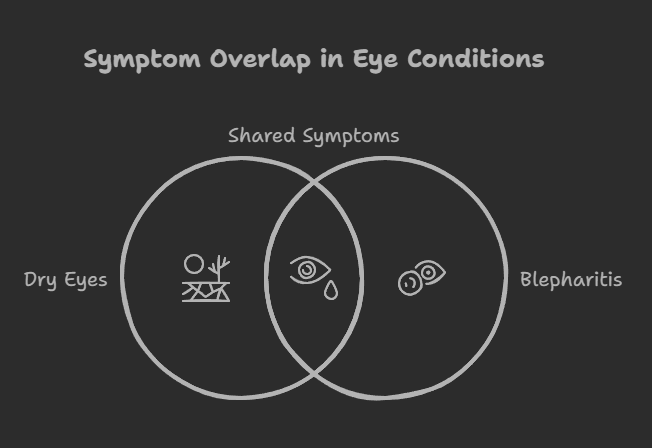
These overlapping symptoms can sometimes confuse diagnosis. In fact, one could have both blepharitis and dry eyes simultaneously—often complicating treatment plans. This interrelationship is significant and implies that managing one condition may inadvertently benefit the other.
4. Causes of Dry Eye and Blepharitis
Factors That Could Contribute to Dry Eyes
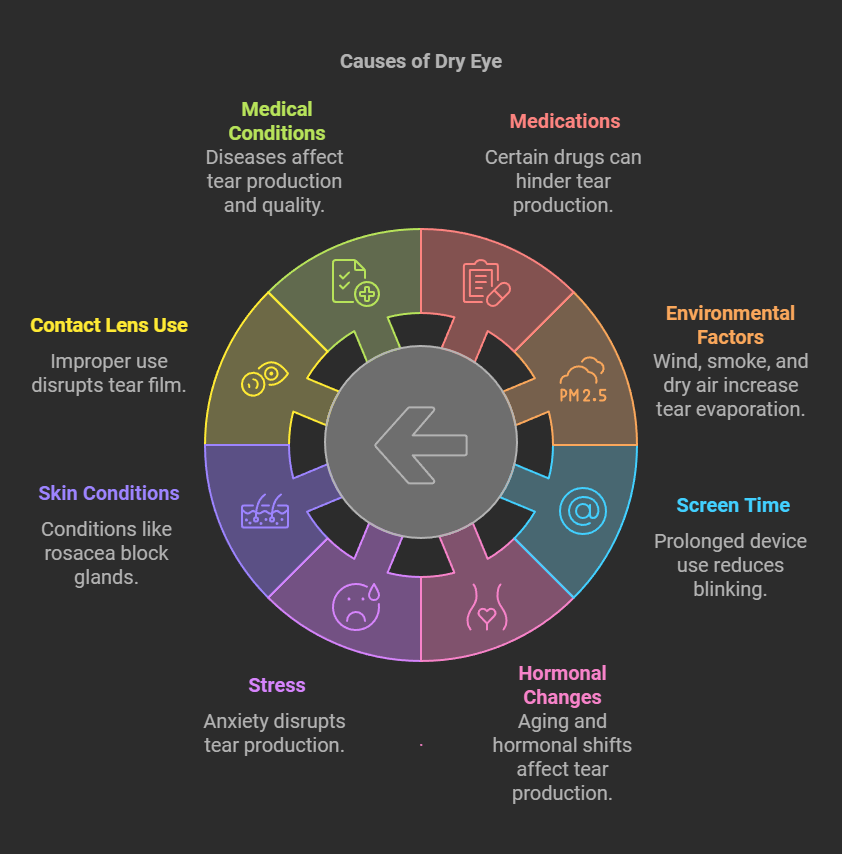
- Medications: Certain medications, such as antihistamines, antidepressants, and blood pressure medications, can interfere with tear production.
- Environmental Factors: Exposure to wind, smoke, dry air, or pollution can significantly increase tear evaporation.
- Screen Time: Prolonged use of computers, smartphones, or other digital devices leads to decreased blinking rates, accelerating tear evaporation.
- Hormonal Changes: Hormonal shifts, particularly with aging, pregnancy, or menopause, can play a significant role in reducing tear production.
- Stress: Stress or anxiety can disrupt tear production and exacerbate dry eye symptoms.
- Rosacea or Skin Conditions: Skin conditions like rosacea, especially on or around the eyelids, can block the meibomian glands and contribute to dry eyes.
- Contact Lens Use: Long-term or improper contact lens wear can disrupt the tear film and lead to dryness.
- Medical Conditions: Conditions such as diabetes, thyroid disorders, or autoimmune diseases (e.g., Sjögren’s syndrome or rheumatoid arthritis) can interfere with tear production or the quality of the tear film.
- Vitamin Deficiencies: Low levels of Vitamin A, which is critical for eye health, can result in dry eye symptoms.
- Laser Eye Surgery: Procedures like LASIK or PRK can temporarily affect tear production and exacerbate dry eyes during the healing process.
- Allergies: Eye allergies can cause inflammation, making the tear film less effective and leading to dryness.
- Age: Dry eye is more common as we age, especially in individuals over 50, as tear production naturally decreases.
- Diet and Hydration: A diet lacking omega-3 fatty acids or poor hydration levels can affect the quality and quantity of tears.
- Sleep Issues: Poor sleep quality or sleeping with your eyes slightly open (a condition called nocturnal lagophthalmos) can dry out your eyes overnight.
- Exposure to Air Conditioning or Heating: Climate control systems reduce humidity and can cause tears to evaporate faster.
Causes of Blepharitis
Blepharitis occurs in two main forms:
- Anterior Blepharitis: Often linked to bacterial infections, allergic reactions, or mite infestations, this type targets the outer edge of the eyelid where eyelashes grow.
- Posterior Blepharitis: This type frequently correlates with dysfunction of the meibomian glands, leading to insufficient tear production and irritation.
It is possible to get both types, and it is not that unusual to do so
By recognizing the unique causes and triggers, individuals can adopt targeted treatments and preventive measures to manage both conditions effectively.
Living with Blepharitis and Dry Eye
Dry eye and blepharitis can be challenging conditions to manage, but with the right care and consistency, most people can lead a normal, fulfilling life. While flare-ups are common, early intervention and continuous treatment can help control symptoms effectively, reducing the impact on day-to-day activities.
These conditions often cause discomfort, with symptoms such as gritty or scratchy sensations, sore or painful eyes, and a feeling of dryness or irritation. Though these symptoms can feel overwhelming, significant improvements are achievable with proper treatment and ongoing support.
Managing dry eye and blepharitis requires patience. It can take weeks or even months to see noticeable improvement, but the effort is often worth it. Many patients find that with the right care plan, they experience long-lasting relief or even symptom-free periods. However, as chronic conditions, complete resolution is uncommon, so ongoing management is key.
Persistence and a tailored approach can make a big difference. With the right treatment plan, these conditions can often be kept under control, allowing for a more comfortable and manageable life.
If you’re unsure of how to manage your symptoms or need help creating a plan, contact us for a free assessment. We’re here to guide you every step of the way.
When should someone seek professional medical advice for persistent symptoms of dry eyes and blepharitis?
Someone should seek professional medical advice for persistent symptoms of dry eyes and blepharitis when self-care measures fail to provide relief after a week, or if they experience significant discomfort, vision changes, or excessive tearing. Statistically, about 20% of adults are affected by dry eye disease, and untreated blepharitis can lead to more serious complications like eye infections or damage to the cornea if left unresolved, however this is quite rare. Early intervention can prevent worsening symptoms and preserve eye health.